









Why You Have an O2 Sensor (Oxygen Sensor)
June 2, 2025
If someone asked you what gas made up the largest portion of the atmosphere, what would you guess? Well, it's not oxygen; it only makes up 20.9 percent. But since we're talking about oxygen, you should know that your vehicle uses oxygen sensors to make sure your engine is running the way it should.
The oxygen sensors measure how much oxygen is in your exhaust. If there's too much, it means there's a problem with the mixture of fuel and air. The sensor sends signals to computers in your engine and adjusts the mixture so it maximizes performance and efficiency. It does this constantly.
Many vehicles have multiple oxygen sensors. Some have one close to the engine, another close to the muffler. Two measurements are better than one since they allow readings to be more accurate. You may have a vehicle with a dual exhaust, so you'd have twice as many oxygen sensors.
Your oxygen sensors can fail. One thing that can damage them is contamination from bad fuel. The sensors can simply wear out, though they usually last a long time. It's not unusual for an oxygen sensor to last 100,000 miles/160,000 km. One more thing that can cause an oxygen sensor to fail is residue from an engine that's burning oil. Plus contaminants from the road like salt can also cause problems.
Here are some signs that your oxygen sensors might be failing.
- The Check Engine light goes on. In this case, your service facility can plug in a device that will read the code in your engine's computer to see if that's the problem.
- The engine is running roughly.
- Black, sooty smoke is coming out of your tailpipe.
- Your fuel economy is noticeably lower than it used to be.
Head to your service facility and tell your advisor what symptoms your vehicle is experiencing. They have the equipment and training to track down the issue. Note that simply replacing the oxygen sensor is often not enough since it doesn't get to the root of the problem; other repairs may be needed.
So make sure your oxygen sensors are working the way they should be. Oh, and back to the question of what gas makes up most of the Earth's air? It's nitrogen, which comprises 78 percent of the air we—and our engines—breathe.
Elite Tire And Auto Care
33729 Plymouth Rd.
Livonia, Michigan 48150
734.427.3100
Need Service?
More articles from Elite Tire & Auto Care
Step Up your Stops
September 13, 2026
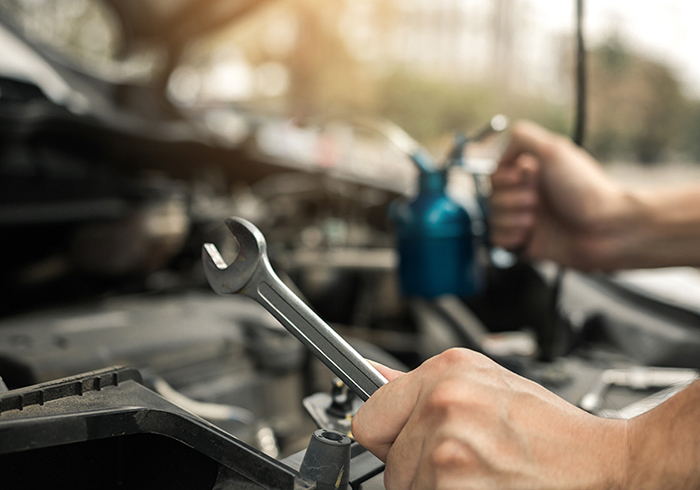
Lets face it. Many of us take our vehicles brakes for granted. We step on the pedal, the brakes slow us down and stop us. Theyre also vital to helping us control our vehicles. Thats why its important to think about brakes as one of the most important safety systems we have. Malfunctioning b... More
Keep It Rolling Right
September 6, 2026
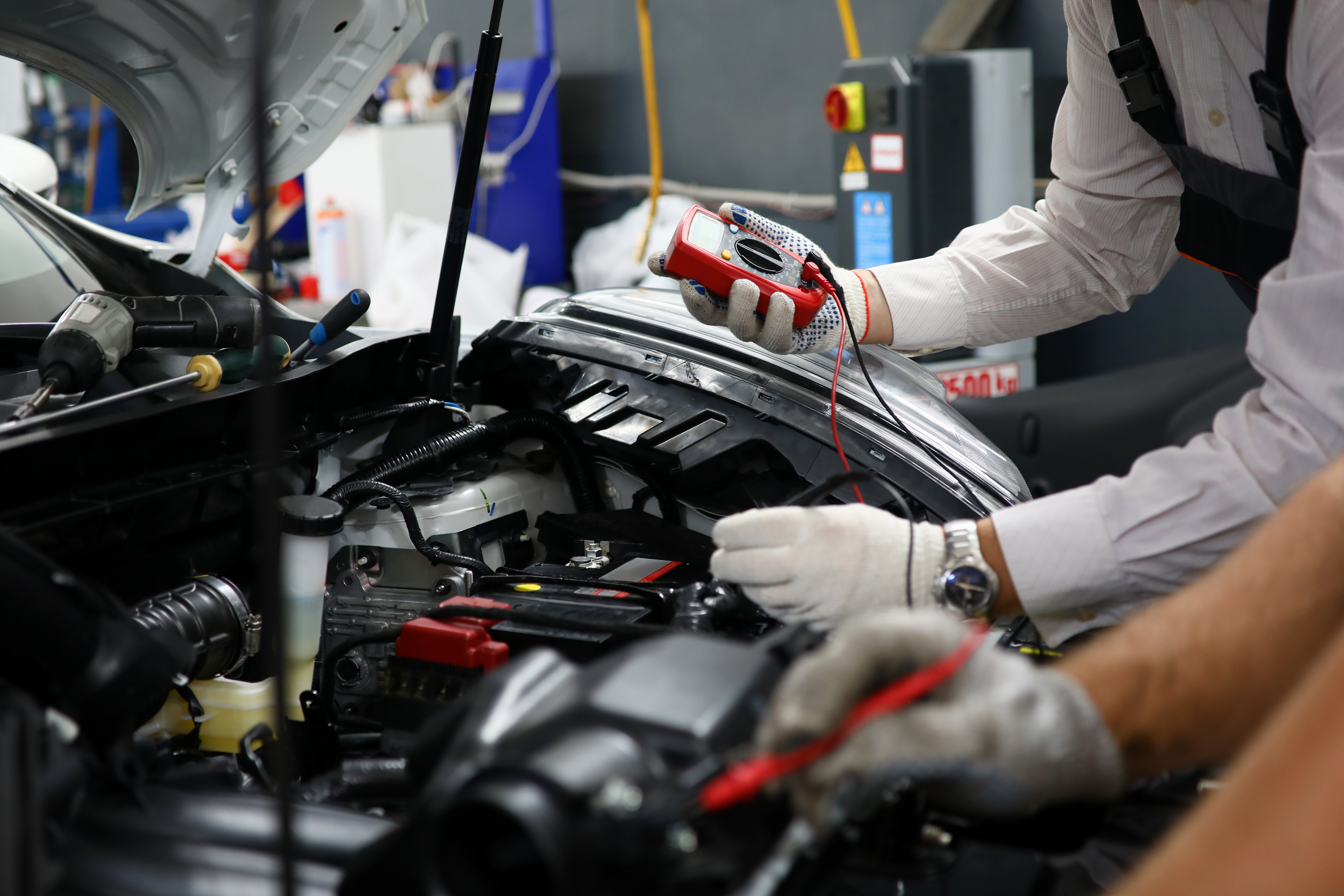
Keeping your tires rotated regularly is one of the simplest yet most important maintenance services you can perform on your vehicle. It is where each tire is moved to a different position: front to back, side to side. That rotation helps to ensure your tires wear evenly, which directly impacts sa... More
Control Arms: Small Part, Big Impact
August 30, 2026
Heres one part of your vehicle you may never have heard of: the control arm. Its the part that connects the wheel hub and steering knuckle to your vehicles frame. What it does is lets your wheel move up and down while keeping it aligned with your vehicle. Most control arms have things called ... More