









The Elite Tire And Auto Care Basic Guide To Synthetic Oil
January 19, 2020
Synthetic motor oil has been around for a long time, and more and more new vehicles are leaving factories with synthetic in their engines. But a lot of drivers don't really know much about it.
Let's start with conventional oil – the kind folks are used to. Conventional oil is made up of naturally occurring hydrocarbon chains, which means its molecules are long and have various lengths. Like a pile of pencils, some of them new and some of them used.
Synthetic oil is man-made. Its molecules are more uniform and regular in shape – more similar to marbles than pencils. Some synthetic oil starts with a petroleum base that's modified and others are entirely synthesized from other materials.
Synthetic motor oil works better in both hot and cold temperatures. It's more chemically stable so it doesn't readily evaporate or break down in the high heat produced inside your vehicle engine. This means it resists turning to sludge, which is a real engine killer.
Remember that marbles and pencils thing we were talking about? Well, that makes synthetic oil slipperier than conventional oil which means less friction in your engine. Your vehicle engine runs cooler, wears less and lasts longer. You also get a boost in power and maybe even an improvement in fuel economy.
Synthetic oil also lasts longer so you change it less often – which is great for the environment. With longer oil change intervals, you need an oil filter specifically built for the longer service life of synthetic oil. Talk with your friendly and knowledgeable Elite Tire And Auto Care service adviser about synthetic oil and synthetic blends – they might be just what you need to improve engine performance and extend the life of your vehicle.
Give us a call.
Elite Tire And Auto Care
33729 Plymouth Rd.
Livonia, Michigan 48150
734.427.3100
Need Service?
More articles from Elite Tire & Auto Care
Step Up your Stops
September 13, 2026
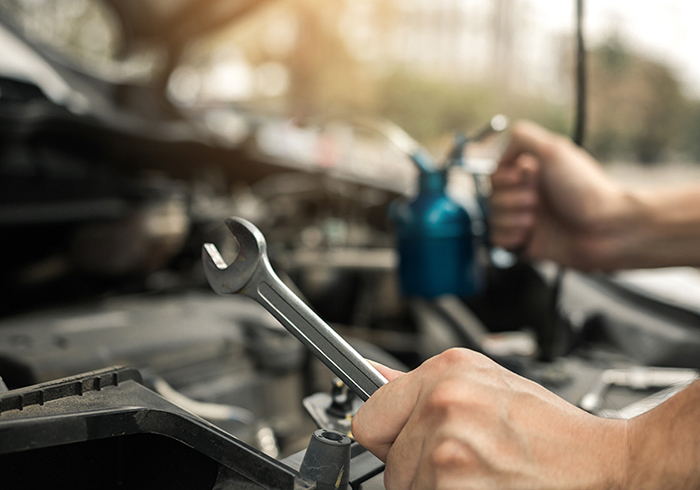
Lets face it. Many of us take our vehicles brakes for granted. We step on the pedal, the brakes slow us down and stop us. Theyre also vital to helping us control our vehicles. Thats why its important to think about brakes as one of the most important safety systems we have. Malfunctioning b... More
Keep It Rolling Right
September 6, 2026
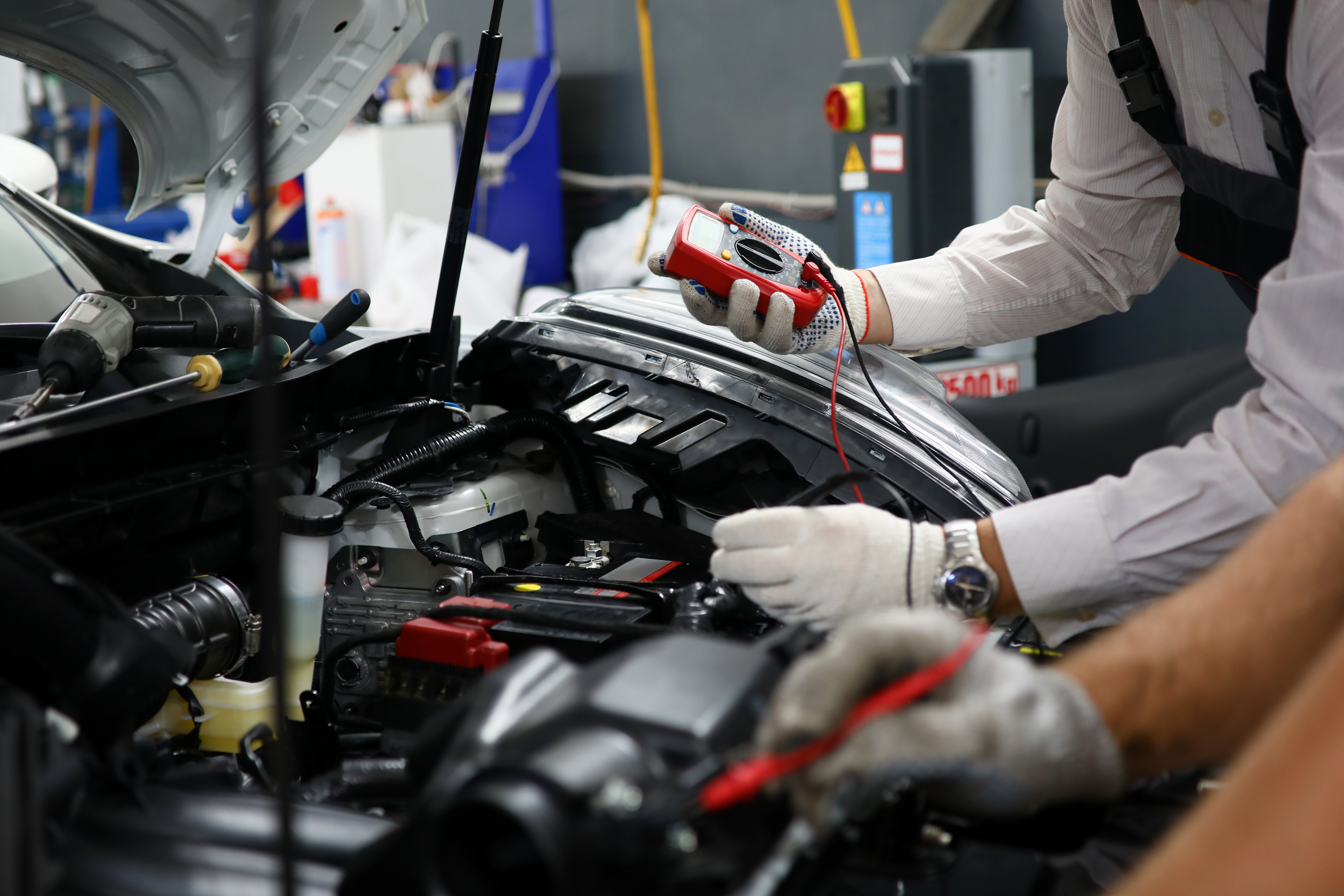
Keeping your tires rotated regularly is one of the simplest yet most important maintenance services you can perform on your vehicle. It is where each tire is moved to a different position: front to back, side to side. That rotation helps to ensure your tires wear evenly, which directly impacts sa... More
Control Arms: Small Part, Big Impact
August 30, 2026
Heres one part of your vehicle you may never have heard of: the control arm. Its the part that connects the wheel hub and steering knuckle to your vehicles frame. What it does is lets your wheel move up and down while keeping it aligned with your vehicle. Most control arms have things called ... More