









Not Too Hot and Not Too Cold (Temperature Gauge)
May 14, 2023
You know your body temperature is supposed to be 98.6 degrees F, 37 degrees C. Your vehicle has a normal temperature, too, and if you pay attention to it, that can save you some big headaches down the road.
Many vehicles have a temperature gauge on the dash that takes the temperature of the engine's coolant. Some have a thermometer symbol, some read C-H (cold to hot). Many will have a red zone that shows when water temperature is getting into the danger zone. Others are digital and have a red warning light that signals overheating. And some vehicles have a light that goes on when the engine temperature is out of the normal range.
If your vehicle has a gauge, pay attention to it. If you need help locating it, ask one of our Elite Tire And Auto Care experts to give you a quick explanation. Chances are when the vehicle has been running for 15 minutes or more, the temperature gauge will settle into its own "normal" zone, often just below the midway point. If you have a digital readout, remember what that "normal" temperature is. Here's why.
At any point when you're driving, the temperature gauge is the quickest way to get a sense that the engine is running the way it should, a quick health checkup, as it were. Say you're on a 3-hour trip, glance at that gauge every hour or so. It should always be in the same spot. If it starts to move one way or the other, you may be able to catch a problem before it gets serious.
Pay special attention to it moving into the hot zone. The needle on the gauge is the easiest and least distracting way to see an engine heating up, but on a digital gauge, start paying attention if the temperature reaches 240ºF/115ºC or more.
Remember, though, that just because the gauge reads "hot" doesn't mean your engine is on the verge of burning up. It could be a bad sensor and the engine will be at a normal temperature. But it also could be a failing water pump, coolant leak or thermostat. By pulling off the road and observing your engine, it will give you a pretty good idea if it's running hot or not.
If the gauge is too "cold," it could be a broken gauge or thermostat sticking open. Usually being in the cold range isn't as worrisome, but you should have it checked out since other systems may be affected.
Heat is one of a vehicle's worst enemies, especially when it comes from within. Know your vehicle's normal temperature and keep an eye on it.
Elite Tire And Auto Care
33729 Plymouth Rd.
Livonia, Michigan 48150
734.427.3100
Need Service?
More articles from Elite Tire & Auto Care
Step Up your Stops
September 13, 2026
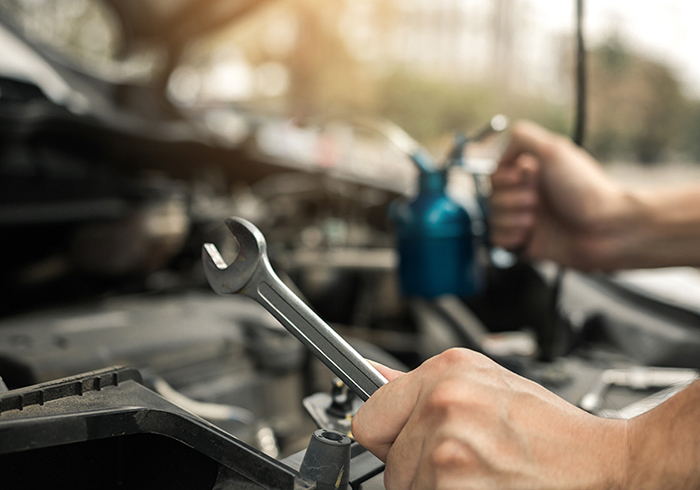
Lets face it. Many of us take our vehicles brakes for granted. We step on the pedal, the brakes slow us down and stop us. Theyre also vital to helping us control our vehicles. Thats why its important to think about brakes as one of the most important safety systems we have. Malfunctioning b... More
Keep It Rolling Right
September 6, 2026
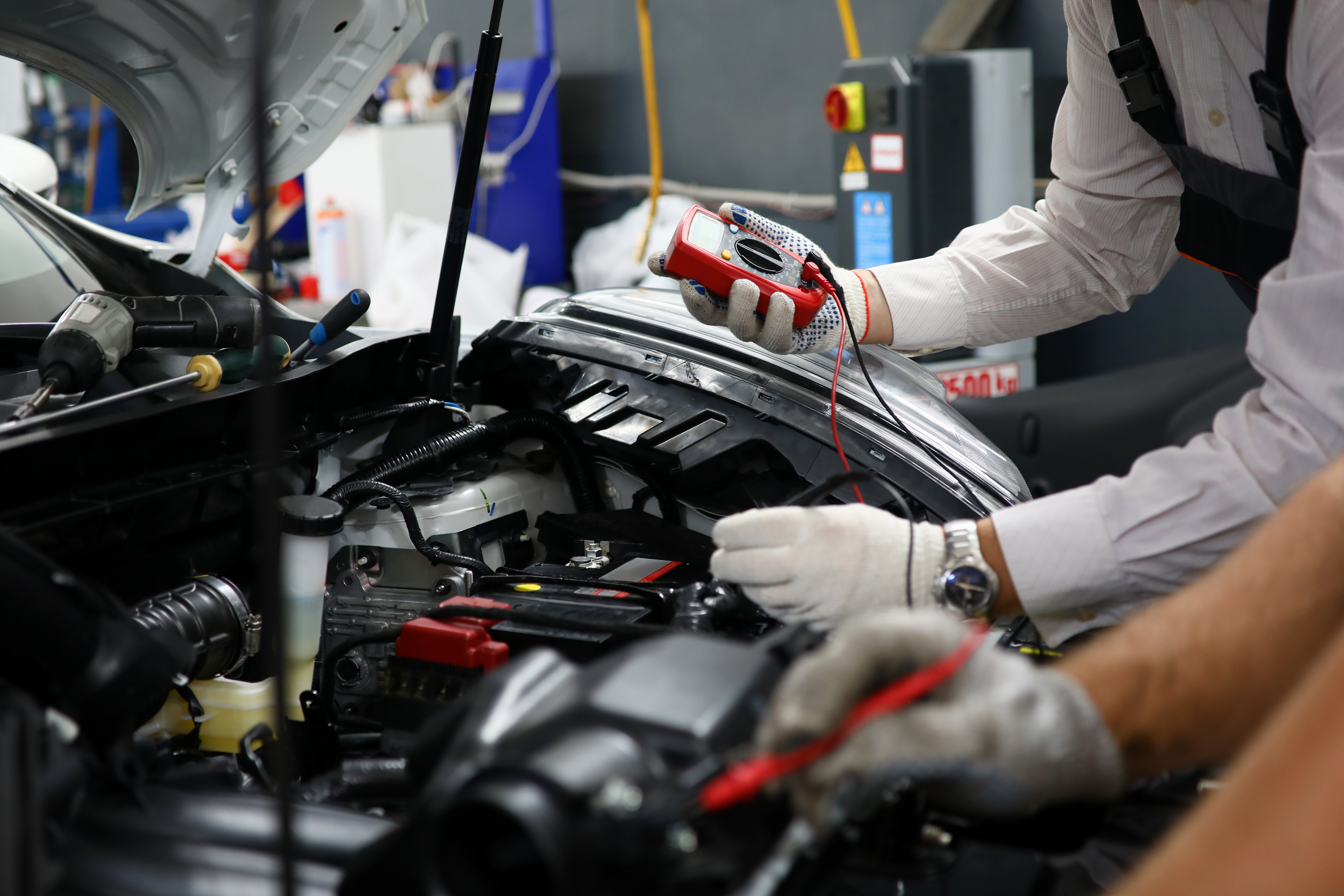
Keeping your tires rotated regularly is one of the simplest yet most important maintenance services you can perform on your vehicle. It is where each tire is moved to a different position: front to back, side to side. That rotation helps to ensure your tires wear evenly, which directly impacts sa... More
Control Arms: Small Part, Big Impact
August 30, 2026
Heres one part of your vehicle you may never have heard of: the control arm. Its the part that connects the wheel hub and steering knuckle to your vehicles frame. What it does is lets your wheel move up and down while keeping it aligned with your vehicle. Most control arms have things called ... More